Plant-Based Leather: Sustainable Alternatives To Traditional Leather
Love the look of leather but hate the environmental cost? Or maybe you're tired of vegan leather that turns out to be just cheap, peeling plastic? Let's look at which plant leather actually holds up in the real world and how to pick the best ones.
Why Your Vegan Leather Might Just Be Plastic
For a long time, if you wanted to avoid animal skins, your only choice was pleather. Most of the time, this is just PVC or PU—essentially thin layers of plastic glued to a fabric backing. It doesn't breathe, it cracks after a few months, and it stays in a landfill for centuries.
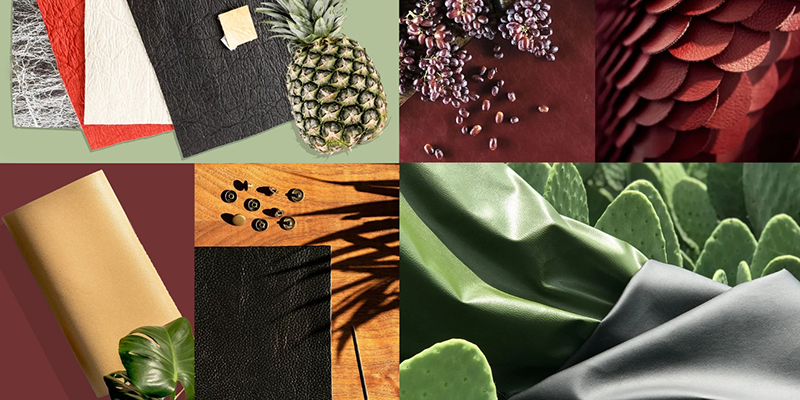
When we talk about sustainable leather today, we are moving away from those oil-based plastics. The goal is to find materials that come from the earth and can eventually return to it. Eco-friendly leather made from plants uses the tough fibers found in leaves, fruits, and even fungi to create a material that looks and feels like the real thing, but without the heavy chemical tanning process.
The big shift here is that these materials are often byproducts. Nobody is growing a whole pineapple to make a shoe; they are using the leaves that would otherwise be burned or thrown away. This is the heart of why vegan leather is finally getting a serious upgrade.
Cactus Leather: The Soft, Durable All-Rounder
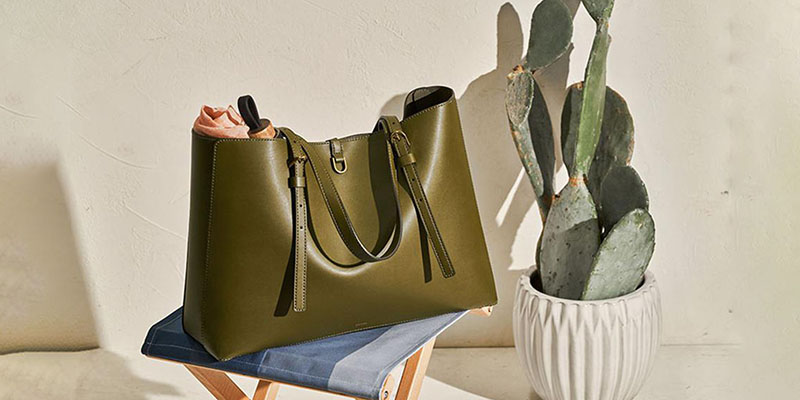
If you've walked into a high-end shop lately and seen a bag that feels surprisingly soft and buttery, there's a good chance it's cactus leather. Specifically, a Mexican brand called Desserto has changed the game here.
Why It Works
Cacti are incredible plants. They need almost no water to grow, don't need pesticides, and naturally regenerate their leaves (the pads), so the plant isn't killed during harvest. The pads are dried in the sun, crushed, and mixed with a non-toxic binder to create a sturdy sheet.
What It Feels Like
It is remarkably similar to animal leather. It's flexible, breathable, and doesn't have that rubbery smell that plastic alternatives often have.
Best For
- Handbags and Wallets: It handles stitching very well and doesn't crease easily.
- Car Interiors: Some luxury car brands are starting to use it because it handles heat better than plastic.
- Clothing: Because it breathes, you won't get as sweaty in a cactus leather jacket as you would in a cheap PU one.
Buying Tip: Look for the Desserto tag. They are the gold standard for this specific material. If a brand says cactus-based, check the percentage. You want a high bio-content (usually 30-50% plant matter) to ensure it's actually a sustainable leather choice.
Pineapple Leather (Piñatex): The Textured Tough Guy
You've probably seen sneakers or watch straps with a slightly wrinkled, organic texture. That's likely Piñatex. This material is made from the long fibers found in pineapple leaves.
The Practical Benefit
Pineapple leather is incredibly tough. It doesn't scuff as easily as smooth leathers, making it a great choice for people who are hard on their gear. Since the fibers are felted rather than woven, they have a unique crinkled look that improves with age.
How To Choose It
Because Piñatex has a distinct texture, it doesn't try to fake cowhide. It looks like its own thing. If you want a smooth, shiny dress shoe, this isn't it. But if you want a rugged pair of boots or a cool, industrial-looking backpack, this is top-tier, eco-friendly leather.
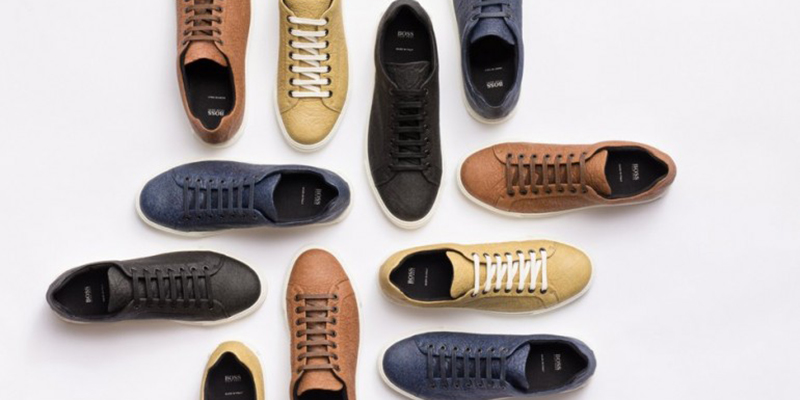
Brand Watch: Brands like Hugo Boss and various independent sneaker labels have used Piñatex.It's a great conversation starter because you can actually see the fiber structure in the material.
Mushroom Leather: The Holy Grail Of Suede
This is the one the tech world is obsessed with. Instead of using the cap of the mushroom, scientists grow mycelium—the root-like structure of fungi. They grow it in big vats or on beds of sawdust, and in just a few weeks, they have a thick mat that looks exactly like a hide.
Why It's Special
Mushroom leather (often called Mylo or Reishi) feels almost exactly like high-end suede. It's warm to the touch and has a natural grip. Unlike other plant leather types, it can be grown to specific thicknesses, allowing a designer to request a thick piece for a belt or a thin piece for a shirt.
The Catch:
Right now, mushroom leather is expensive. It's mostly found in limited-edition collaborations with brands like Stella McCartney or Adidas. However, as the tech scales up, it's expected to become the primary rival to traditional luxury leather. If you find a piece made of Reishi, grab it—it's arguably the most sustainable clothing material innovation of the last decade.
Apple And Grape Leather: Turning Juice Into Fashion
What happens to all the skins and cores left over from the apple juice industry? In northern Italy, they turn them into vegan leather.
Apple Leather (Frumat):
This material is very smooth and takes dye incredibly well. If you love bright colors—reds, yellows, or crisp whites—apple leather is your best bet. It's often used for minimalist sneakers and slim wallets. It feels a bit stiffer than cactus leather, which helps it hold its shape over time.
Grape Leather (Vegea):
Similar to apple leather, this uses the pomace (skins and seeds) from winemaking. It has a slightly more rubbery feel but is extremely water-resistant. If you live in a rainy climate, a grape leather bag will likely hold up better than a traditional leather one that might get water spots.
How To Tell If It's Actually Good: A Quick Checklist
Not all plant leather is created equal. Some brands use the plant label to hide the fact that the item is still 80% plastic. Here is how to shop smart:
- Check the Backing: Flip the material over if you can. If the back looks like a white, fuzzy plastic mesh, it's a lower-quality laminate. If it looks like raw canvas or organic cotton, it's a higher-quality sustainable leather.
- The Scent Test: Real plant-based materials shouldn't smell like a chemical factory. They should smell neutral or slightly earthy.
- The Bio-Based Label: Look for a percentage. A good product will say something like 60% bio-based. If it doesn't give a number, it might only have a tiny bit of plant waste mixed into a lot of plastic.
- The Price Point: If a cactus leather bag costs $15, it's probably just plastic with a clever marketing name. These materials are currently more expensive to produce than cheap oil-based synthetics.
Making Your Plant Leather Last For Years
One of the biggest complaints about vegan leather is that it peels. While plant-based versions are much better, they still need a little love. You can't treat them exactly like animal skin, but you can't ignore them either.
- Don't use leather oils: Traditional leather conditioners are made of animal fats or mink oil. These don't soak into plant leather the same way; they sit on top and get sticky.
- Wipe, don't soak: If your bag gets dirty, use a damp cloth with a tiny bit of mild dish soap. Don't put it in the washing machine unless the tag explicitly says you can.
- Avoid the radiator: Just as real leather can become brittle in extreme heat, plant fibers can, too. Let your shoes dry at room temperature.
- Store it right: Don't cram your plant-leather jacket into a tiny corner of your closet. Give it some space so it doesn't develop permanent crinkle lines.
A Sustainable Fashion Statement
You might wonder whether switching to a cactus-leather wallet really makes a difference. Think about the water alone. To produce one cowhide, you need thousands of gallons of water for the animal, the crops to feed it, and the tanning process. A cactus needs almost zero supplemental water.
Then there's the chemical side. Traditional tanning uses chromium, which often ends up in waterways near factories. Eco-friendly leather processes are generally closed-loop, meaning the water and non-toxic chemicals used are recycled back into the system rather than dumped.
By choosing these materials, you are sending a signal to the fashion industry. You're saying that you value the look of leather, but you value the health of the planet more. As more of us buy these items, prices will drop, quality will improve, and eventually, plastic leather will be a thing of the past.
The world of plant leather is moving fast. Whether it's the rugged feel of pineapple or the soft touch of cactus, there is finally a way to look good without the heavy footprint. Next time you need a new belt or a pair of kicks, skip the plastic and the cowhide. Look for those plant-based labels instead. You'll get a piece that's unique, durable, and a whole lot kinder to the world. It's a small switch that feels—and looks—pretty great.
Related Posts
Jewelry for Casual Outfits A Practical Guide to Elevating Everyday Style with Simple Accessories
7 Sustainable Sneakers You’Ll Want To Wear On Repeat

Future Trends In Sustainable Luxury: Insights For Brands

AI And The Future Of Sustainable Fashion: Innovations You Need To Know
11 Valid Reasons Why Secondhand Fashion Is Becoming the Coolest Trend Online